How can artificial intelligence (AI) help improve efficiency in the security sector, including managing crime data and predicting the likelihood of crimes?
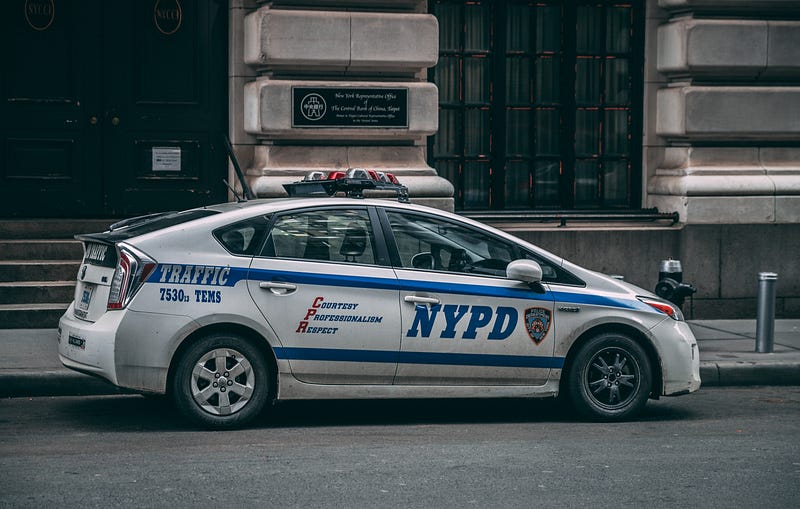 Photo by
 Artificial intelligence (AI) can help improve efficiency in the security sector in a number of ways, including managing crime data and predicting the likelihood of crimes.
One way AI can help is by analyzing large amounts of data quickly and accurately. For example, AI algorithms can be used to process and analyze data from surveillance cameras, social media, and other sources to identify patterns and trends that may indicate criminal activity. This information can help law enforcement agencies prioritize their resources and focus on areas where there is a higher likelihood of crime.
AI can also be used to predict the likelihood of crimes occurring in a particular area or at a particular time. This can help law enforcement agencies allocate resources more effectively and prevent crimes before they happen. For example, AI algorithms can be trained on historical data to identify patterns and predict the likelihood of a crime occurring in a particular location or at a particular time. This information can be used to deploy officers or other resources to areas where the risk of crime is higher.
In addition to managing data and predicting crime, AI can also be used to automate tasks such as data entry and analysis, freeing up time for law enforcement officers to focus on more complex tasks and allowing them to work more efficiently.
Overall, the use of AI in the security sector can help improve efficiency and effectiveness by providing law enforcement agencies with the tools and information they need to more effectively prevent and solve crimes.
There have been several cases where artificial intelligence (AI) has been used to successfully solve crimes. Here are a few examples:
- In 2018, the New York Police Department (NYPD) used AI to analyze surveillance footage and identify a suspect in a string of burglaries. The AI system was able to quickly process and analyze the footage, helping detectives identify the suspect and make an arrest.
- In 2019, the Houston Police Department used AI to identify a suspect in a hit-and-run accident. By analyzing surveillance footage, the AI system was able to identify the make, model, and license plate of the vehicle involved in the accident, helping investigators track down the suspect.
- In 2020, the London Metropolitan Police used AI to analyze data from a network of surveillance cameras to identify and arrest a suspect in a series of burglaries. By analyzing patterns and trends in the data, the AI system was able to help detectives identify the suspect and make an arrest.
These are just a few examples of how AI can be used to solve crimes. As AI technology continues to advance, it is likely that it will be used more frequently to assist with criminal investigations and help law enforcement agencies solve crimes more efficiently.
Comments
Post a Comment